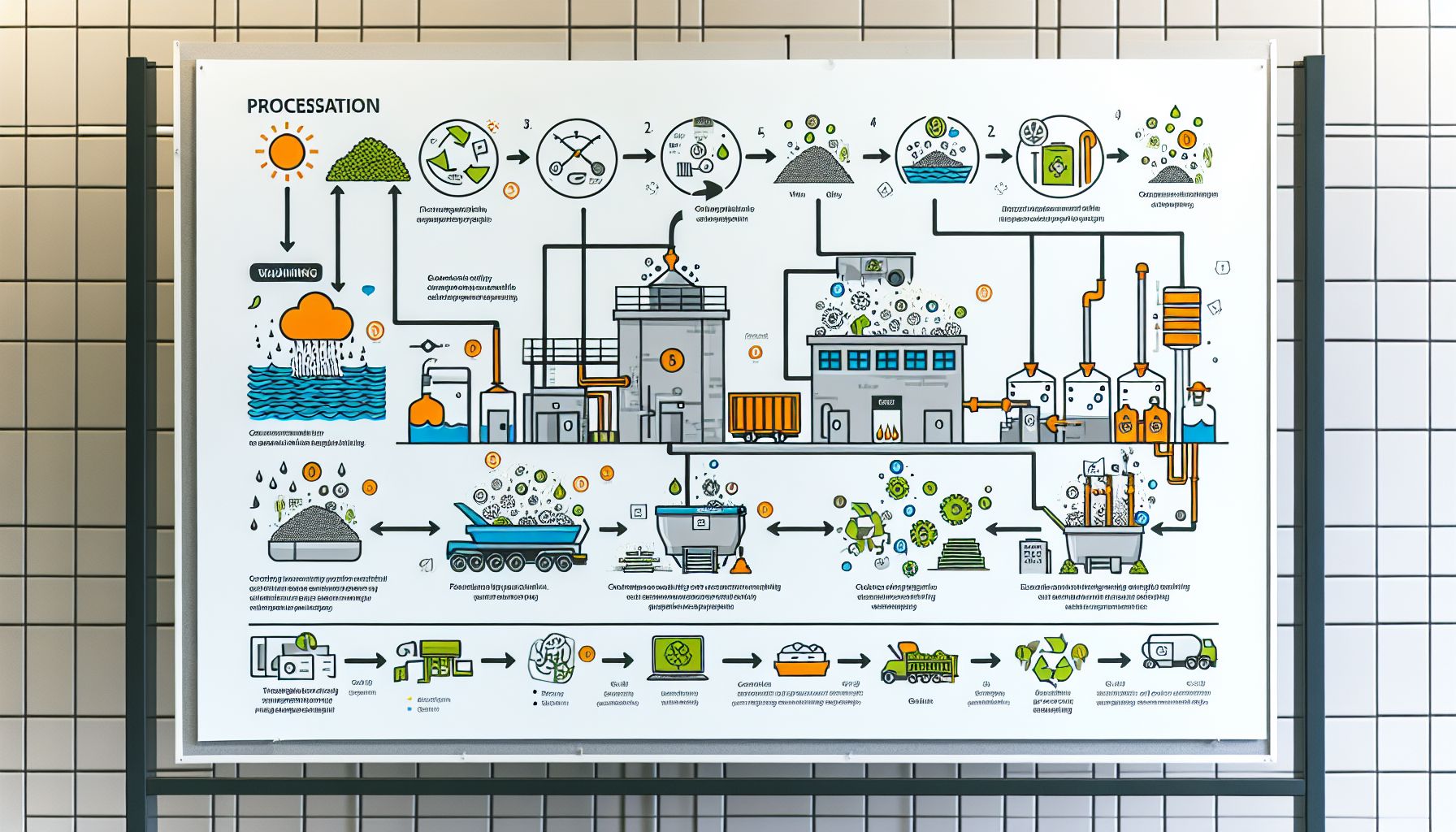
Understanding the operational efficiency and cost considerations in the grit washing sector is crucial for facilitating effective and affordable waste removal operations. In this discussion, we will delve into the principles of grit washing, highlight the variables affecting its efficiency, and discuss the cost implications of grit disposal.
Grit Washing: A Practical Overview
Grit washing is an essential part of wastewater treatment operations. It involves the removal of heavy particulates such as sand, eggshells, and other materials which can negatively impact downstream operations. The overall objective of this process is to maintain the performance of wastewater treatment facilities while minimizing costs associated with equipment wear and tear and unscheduled shutdowns due to blockages.
The process typically involves the use of specialized equipment that separates grit from other constituents based on size and weight. The separated particles are then washed to remove attached organic materials, reducing their volume and weight. This step is crucial as it affects the cost of disposal.
Efficiency Considerations: Variables and Impacts
Understanding the variables that affect the efficiency of grit washing is an important step in devising strategies to improve operational efficiency. These variables include detention time, the size and specific gravity of the particles, the concentration of particles in the influent, and the design and operation of the grit removal system.
The detention time (the time solids stay in the grit tank) is an important factor as it allows for adequate settling of grit particles. Consequently, too short a detention time may lead to poor separation efficiency. On the other hand, the size and specific gravity of the particles influence their settling speed, with larger and denser particles settling out more quickly.
The efficacy of grit separation is also influenced by influent characteristics. High concentrations of grit in the influent can overwhelm the system and lead to poor performance. Also, the design and operation of the grit removal system play a pivotal role in determining separation efficiency. For instance, systems with inadequate mechanical components may struggle with efficient grit separation.
Disposal Cost Considerations
After the grit has been removed and washed, the disposal process begins. The major costs associated with grit disposal are primarily transportation and landfill fees. To minimize these costs, it’s essential to lower the volume and weight of the grit. This can be achieved by ensuring effective washing since the washing process removes organic materials attached to the grit particles.
Moreover, efficient grit separation and washing systems can lead to cost savings by reducing the wear and tear on downstream equipment and by limiting the amount of grit that goes to the final treatment processes. This, in turn, reduces the amount of grit that needs to be handled in the solids handling stages, leading to savings on biosolids disposal costs. Firms can refer to the solids handling guidance provided by the Environmental Protection Agency (EPA) for additional strategies to manage costs.
Operational Considerations
Operators need to regularly monitor parameters such as grit concentration in the influent and grit loss in the effluent to ensure system efficiency. Regular maintenance of the grit removal components is also necessary to prevent operational issues. For instance, worn-out or clogged components like pumps and classifiers can significantly reduce both grit removal and washing efficiency.
In addition, strategies such as process optimization and process control can improve grit washing efficiency. Process optimization involves adjusting the operational parameters to enhance the performance of the grit removal system, while process control involves continuously monitoring and adjusting the system parameters to achieve desired operational outcomes.
Real-World Consequences and Solutions
Issues with grit washing systems can lead to severe consequences. For instance, excess grit in wastewater systems can erode pipelines and equipment, leading to frequent unscheduled shutdowns and high maintenance costs. A study by North Carolina State University highlighted such challenges and suggested robust wastewater management practices to mitigate these issues.
Further, high disposal costs due to inadequate washing can put a strain on the budgets of public utilities. Organizations can counter these issues by implementing efficient grit separation and washing systems, adhering to regular maintenance schedules, implementing optimization and control strategies, and being vigilant of disposal costs.
Conclusion
Efficient grit washing and cost-effective disposal practices are essential elements of an effective wastewater management strategy. They not only ensure the smooth operation of treatment facilities but also help control maintenance and disposal costs. Understanding the principles of grit washing, keeping tabs on the factors affecting efficiency, and being conscious of disposal costs are all key to achieving operational success in grit washing. By doing so, organizations can reap the benefits of cost savings, extended equipment life, and improved environmental compliance.