Author: Zachary Hawkins

  • Understanding wastewater headworks layout and function

    Understanding wastewater headworks layout and function

    Wastewater headworks is a critical part of any wastewater treatment facility. It serves as the entry point of the system and is where the initial, essential procedures take place. This article aims to explain the layout and function of the headworks, how they operate, and why they are important.

    What is Wastewater Headworks?

    The term ‘wastewater headworks’ refers to the first station in a wastewater treatment plant where the incoming sewage water is initially screened and processed ^1^. This crucial step lays the foundation for the remaining treatment process.

    Headworks are equipped with multiple components which work together to prepare the wastewater for further treatment. Some of these components include screens, grit chambers, and flow regulating devices. They function collectively to minimize potential harm to downstream processes and to ensure the efficacy of the entire system.

    For more detailed information, you may refer to this wastewater headworks link.

    Headworks Layout

    The layout of a headworks facility is designed for efficiency and optimized function. The aim is to systematically process incoming water and prepare it for the next stages of treatment.

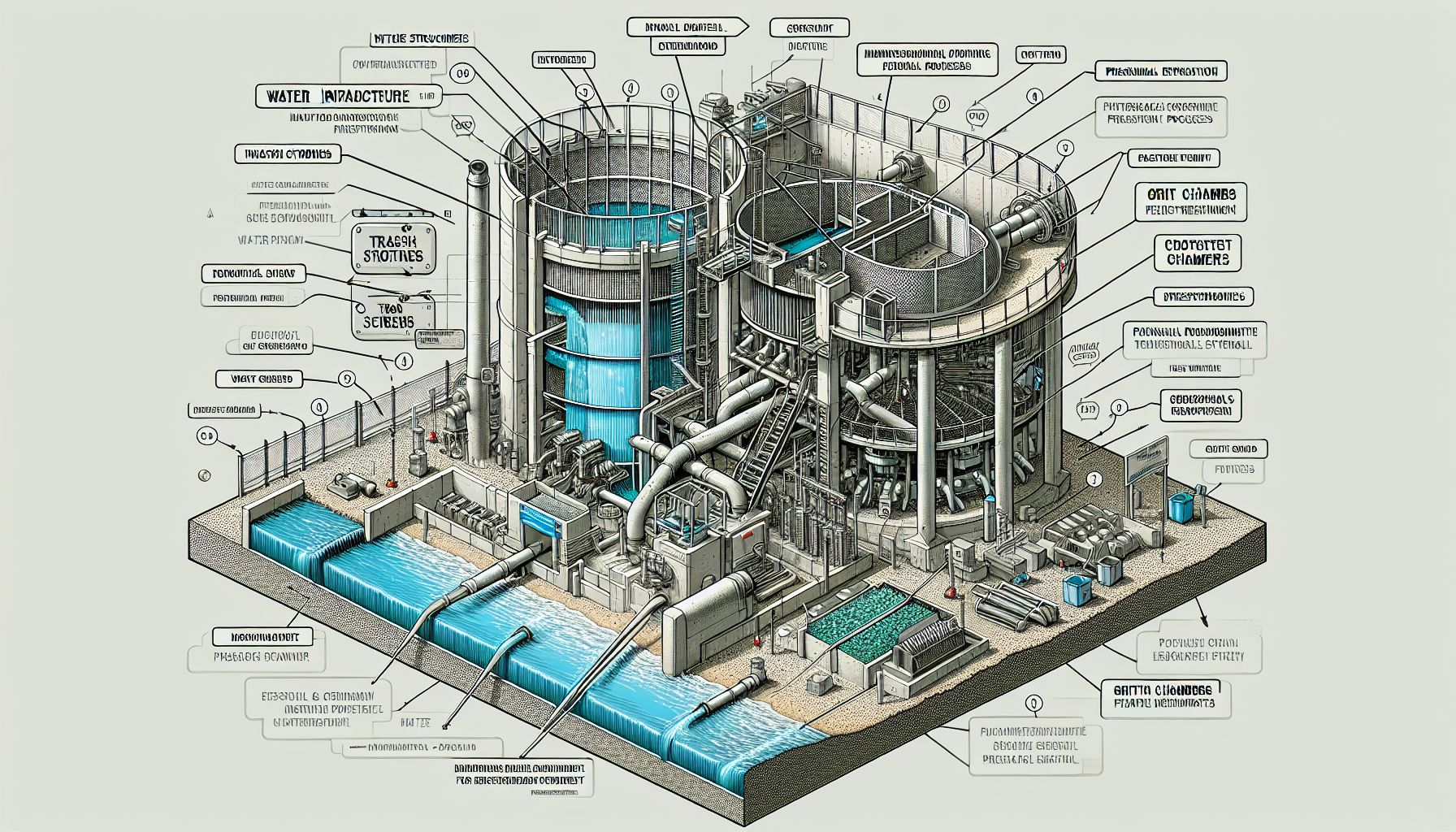
    On entry, trash racks or bar screens serve as the first line of defense. These screens remove large particulates and debris from the inflowing wastewater.

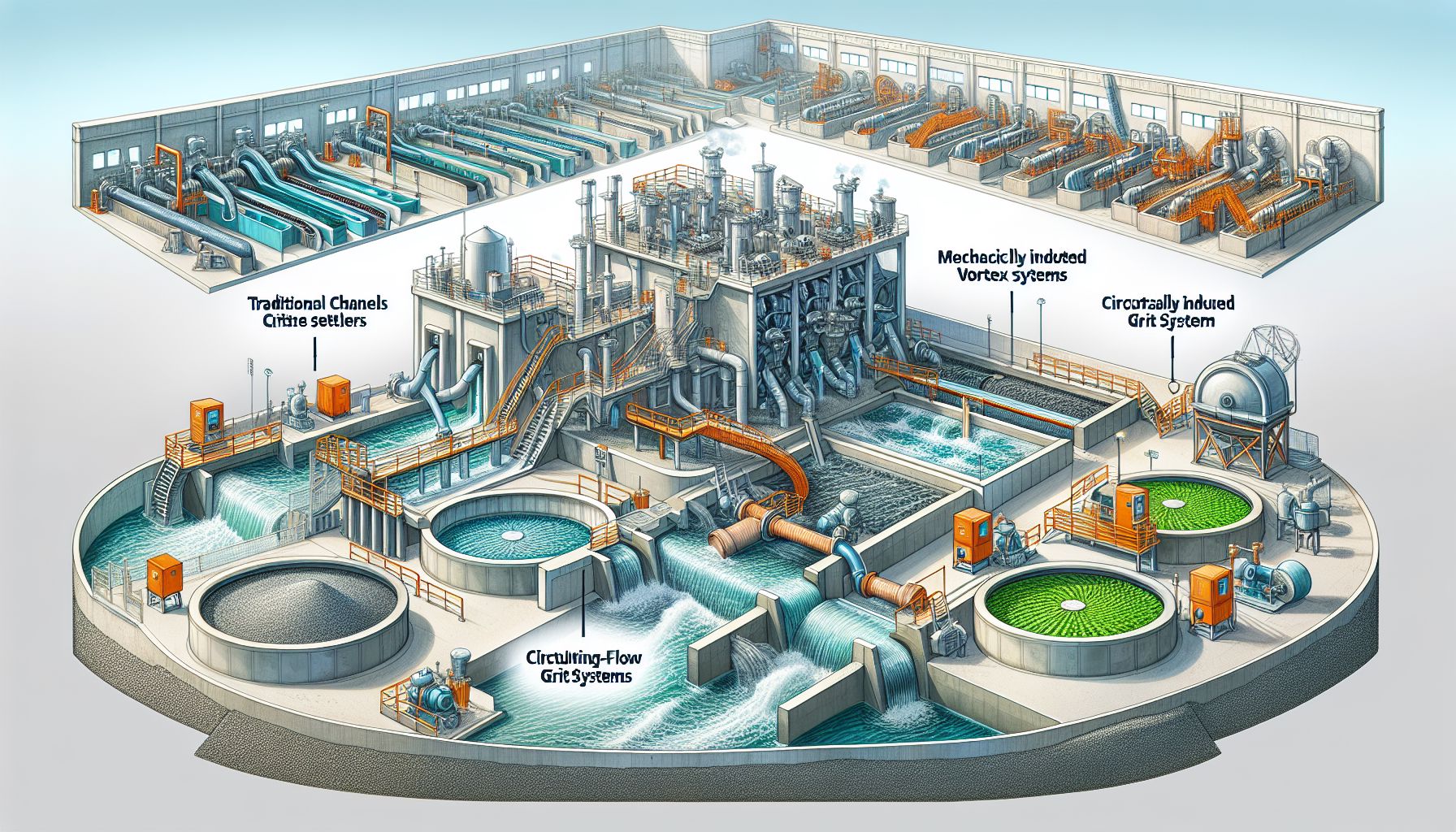
    Behind the screens, we find grit chambers which are used to separate and remove heavier, sandy particles from the water. This process prevents potential clog issues in downstream equipment.

    Following the grit process, flow regulating devices are placed to manage and control the water flow, ensuring a consistent flow rate for the remaining treatment process.

    Function of Headworks

    As the entry point of the wastewater treatment plant, the primary function of a headworks is to ensure the smooth operation of the downstream treatment processes. This is achieved by preventing potentially harmful substances from entering the system and preparing the wastewater for subsequent treatment stages.

    The screens filter out large debris, which could cause mechanical damage to downstream equipment. Meanwhile, the grit chambers remove granular matter that could cause clogs, abrasions and increased sediment buildup in downstream equipment and piping. Flow regulating devices ensure a steady flow rate, allowing for smoother operations across subsequent stages in the treatment process.

    Real-world Considerations

    When building or upgrading a wastewater treatment facility, it’s important to consider a few factors. The size, type, and volume of wastewater to be processed must be taken into account when designing the headworks. These factors will directly influence the design and selection of screens and grit chambers.

    Maintenance needs are also a key consideration and should be factored into the layout design. Adopting a layout that allows easy access to all equipment will decrease downtime and improve overall efficiency.

    Conclusion

    The wastewater headworks play an instrumental role in the success of any wastewater treatment facility. Its layout and function directly impact the efficiency and efficacy of the entire wastewater treatment process. As such, a well-designed and well-maintained headworks is crucial to sustaining lasting operational success and protecting the infrastructure of the wastewater treatment process ^3^.

  • Construction sequencing strategies for headworks retrofits

    Construction sequencing strategies for headworks retrofits

    Headworks retrofits are crucial interventions in wastewater treatment plants. With a solid construction sequencing strategy, these projects can occur smoothly and successfully. This article highlights effective construction sequencing strategies and entails practical explanations, impacts, real-world considerations, along with pros and cons.

    What is Construction Sequencing?

    Construction sequencing refers to the order of operations in a construction project, specifying when each task begins and ends. It significantly affects project timelines, costs, safety, and the quality of the final output. In detailed construction sequencing, each task’s start and end are defined in relation to other tasks, creating a coherent, logical project flow.

    The Federal Highway Association provides comprehensive construction sequencing guidance. It details how careful planning and documentation can drive project success, even when retrofitting complex systems like headworks in wastewater treatment plants.

    Importance of Construction Sequencing in Headworks Retrofits

    Strategic construction sequencing positively impacts headworks retrofits in several ways:

    Improved Project Management

    A well-execated sequencing strategy allows project managers to define and maintain the project’s timeline better. Each activity begins and ends as planned, keeping the project on track.

    Enhanced Safety

    Effective sequencing reduces the risk of accidents and injuries related to construction. By planning which tasks overlap, workflows are improved; the risk of clashes and incidents reduces.

    Cost Management

    With construction sequencing, teams can better predict labor and material needs. By keeping all factors synchronized, unnecessary delays and cost overruns can be minimized.

    Strategy Development for Headworks Retrofits

    Developing an effective construction sequencing strategy involves a deep understanding of the processes involved, as well as the potential challenges that could arise.

    Understanding the Project

    The first step in developing a construction sequencing strategy is understanding the project. This includes mastering its scope, objectives, timelines, the resources needed, potential challenges, and how resolution looks like.

    Developing a Work Breakdown Structure (WBS)

    A WBS splits the project scope into manageable chunks. This significantly improves task assignment, cost estimation, and schedule management.

    Employing Network Diagrams

    Network diagrams offer a clear view of the project’s workflow. They allow a quick analysis of task dependencies. The use of diagrams helps project managers identify critical tasks and those with float time.

    Milestone Stating

    Stating milestones explicitly is crucial for tracking progress in any complex project. Milestones offer guideposts indicating the project’s progress.

    Utilization of Sequencing Tools

    There are several construction sequencing tools available, like Gantt charts, that visually present the project’s task sequence. These tools assist in making informed decisions about task dependencies and management.

    Practical Considerations for Headworks Retrofits

    Given the complexity of retrofitting headworks, there can be numerous roadblocks. Identifying these potential issues and preparing possible workarounds is an important aspect of construction sequencing.

    Coordination Challenges

    Headworks retrofit projects often involve several stakeholders, like contractors, project managers, plant operators, and regulators. Managing these varying interests can be challenging and may lead to delays if not well-coordinated.

    Operational Limitations

    Unlike greenfield projects, retrofits have to consider ongoing plant operations. The sequencing strategy must minimize disruption to regular operations, downtime, and possible breaches of environmental regulations due to interrupted treatment.

    Material and Labor Constraints

    Material availability and labor skillset adequacy are usual concerns. Lack of vital labor skills or materials may not only delay the project but also affect retrofit quality.

    Final Thoughts

    Construction sequencing strategy for headworks retrofits is vital for project success. It serves as the backbone, holding all the moving parts together. Successful planning and execution require a thorough understanding of the project, coordination among stakeholders, and timely resolution of challenges.

    A well-executed sequencing strategy improves project efficiency and fosters safety on the site. It also aids in predicting and managing costs. With all these factors considered, a consistent application of safe and efficient construction sequencing strategies will continue driving the success of headworks retrofit projects.

  • Grit washing efficiency and disposal cost considerations

    Grit washing efficiency and disposal cost considerations

    Understanding the operational efficiency and cost considerations in the grit washing sector is crucial for facilitating effective and affordable waste removal operations. In this discussion, we will delve into the principles of grit washing, highlight the variables affecting its efficiency, and discuss the cost implications of grit disposal.

    Grit Washing: A Practical Overview

    Grit washing is an essential part of wastewater treatment operations. It involves the removal of heavy particulates such as sand, eggshells, and other materials which can negatively impact downstream operations. The overall objective of this process is to maintain the performance of wastewater treatment facilities while minimizing costs associated with equipment wear and tear and unscheduled shutdowns due to blockages.

    The process typically involves the use of specialized equipment that separates grit from other constituents based on size and weight. The separated particles are then washed to remove attached organic materials, reducing their volume and weight. This step is crucial as it affects the cost of disposal.

    Efficiency Considerations: Variables and Impacts

    Understanding the variables that affect the efficiency of grit washing is an important step in devising strategies to improve operational efficiency. These variables include detention time, the size and specific gravity of the particles, the concentration of particles in the influent, and the design and operation of the grit removal system.

    The detention time (the time solids stay in the grit tank) is an important factor as it allows for adequate settling of grit particles. Consequently, too short a detention time may lead to poor separation efficiency. On the other hand, the size and specific gravity of the particles influence their settling speed, with larger and denser particles settling out more quickly.

    The efficacy of grit separation is also influenced by influent characteristics. High concentrations of grit in the influent can overwhelm the system and lead to poor performance. Also, the design and operation of the grit removal system play a pivotal role in determining separation efficiency. For instance, systems with inadequate mechanical components may struggle with efficient grit separation.

    Disposal Cost Considerations

    After the grit has been removed and washed, the disposal process begins. The major costs associated with grit disposal are primarily transportation and landfill fees. To minimize these costs, it’s essential to lower the volume and weight of the grit. This can be achieved by ensuring effective washing since the washing process removes organic materials attached to the grit particles.

    Moreover, efficient grit separation and washing systems can lead to cost savings by reducing the wear and tear on downstream equipment and by limiting the amount of grit that goes to the final treatment processes. This, in turn, reduces the amount of grit that needs to be handled in the solids handling stages, leading to savings on biosolids disposal costs. Firms can refer to the solids handling guidance provided by the Environmental Protection Agency (EPA) for additional strategies to manage costs.

    Operational Considerations

    Operators need to regularly monitor parameters such as grit concentration in the influent and grit loss in the effluent to ensure system efficiency. Regular maintenance of the grit removal components is also necessary to prevent operational issues. For instance, worn-out or clogged components like pumps and classifiers can significantly reduce both grit removal and washing efficiency.

    In addition, strategies such as process optimization and process control can improve grit washing efficiency. Process optimization involves adjusting the operational parameters to enhance the performance of the grit removal system, while process control involves continuously monitoring and adjusting the system parameters to achieve desired operational outcomes.

    Real-World Consequences and Solutions

    Issues with grit washing systems can lead to severe consequences. For instance, excess grit in wastewater systems can erode pipelines and equipment, leading to frequent unscheduled shutdowns and high maintenance costs. A study by North Carolina State University highlighted such challenges and suggested robust wastewater management practices to mitigate these issues.

    Further, high disposal costs due to inadequate washing can put a strain on the budgets of public utilities. Organizations can counter these issues by implementing efficient grit separation and washing systems, adhering to regular maintenance schedules, implementing optimization and control strategies, and being vigilant of disposal costs.

    Conclusion

    Efficient grit washing and cost-effective disposal practices are essential elements of an effective wastewater management strategy. They not only ensure the smooth operation of treatment facilities but also help control maintenance and disposal costs. Understanding the principles of grit washing, keeping tabs on the factors affecting efficiency, and being conscious of disposal costs are all key to achieving operational success in grit washing. By doing so, organizations can reap the benefits of cost savings, extended equipment life, and improved environmental compliance.

  • Selecting the right grit removal system for wastewater plants

    Selecting the right grit removal system for wastewater plants

    Wastewater treatment plants harbor a diverse and vast volume of waste materials. Among the most challenging to handle are sedimentary substances, commonly called grit. To combat this issue, grit removal systems play a crucial role. So, how do you choose the right system for your wastewater plant? This article will provide valuable insights for determining the ideal grit removal setup for wastewater plants.

    Understanding Grit Removal

    Before heading into decision-making, let’s first understand the what and why of grit removal. Grit is a general term that encompasses various small, solid particles, including sand, fine stones, and silt. These particles can pose serious operational issues for wastewater plants. With potential to damage equipment, lower overall plant efficiency, and increase maintenance costs, grit’s impact is undeniably harmful.

    Grit removal systems are thus essential for minimizing these problems. Designed to extract grit from incoming wastewater, a well-chosen system reduces wear on plant machinery, cuts costs, and enables smoother processing. A detailed explanation of this process is available at Water and Wastewater.

    Key Points in Selecting a Grit Removal System

    Choosing the appropriate grit removal system hinges primarily on three factors: the type of grit present, most common grit size, and average wastewater flow rate at your plant.

    For instance, heavy and dense grit particles can be efficiently managed with gravitational systems. In contrast, lighter, smaller grit often requires more advanced removal methods like centrifugal separation.

    Determining the most common grit size in your wastewater assists in choosing a system that accurately targets your specific grit issue. Meanwhile, your plant’s flow rate is vital as it impacts how quickly the grit is transported and spread within the system.

    Examining Different Types of Grit Removal Systems

    There are numerous types of grit removal systems utilized in wastewater treatment plants, each with its strengths and drawbacks. The following methods are among the most commonly used:

    1. Detritus Tanks: This option relies on hydraulic or mechanical means of agitation to separate and remove grit from the water. Although low-tech and relatively cheap to install, detritus tanks necessitate frequent cleanings, potentially increasing labor costs over time.

    2. Grit Chambers: In grit chambers, wastewater is slowed down to allow grit to settle and be collected. They provide excellent grit removal efficiency but take up large amounts of space.

    3. Hydrocyclones: Hydrocyclones utilize centrifugal force to separate grit from water. Efficient and compact, these systems are, however, more expensive than other options.

    For a comprehensive understanding of different grit removal options, a credible resource is the EPA’s guidelines on wastewater treatment.

    Real-World Considerations

    Selecting the right grit removal system is not a one-size-fits-all process. It requires a thorough examination of the particular needs and constraints of your wastewater treatment plant. For instance, smaller or densely-built facilities might lean towards space-efficient but potentially costlier solutions, like hydrocyclones.

    On the other hand, if you’re dealing with heavy grit particles in significant quantities, the affordability and efficiency of grit chambers or detritus tanks could make them a more suitable choice.

    Finally, keep in mind that no grit removal system can guarantee 100% grit-free wastewater. But, by choosing a system that adequately matches your plant’s requirements, you can drastically reduce the presence of grit and its associated issues.

    Pros and Cons

    As with any operational decision in wastewater treatment plants, selecting the right grit removal system involves weighing the pros and cons.

    On the positive side, an efficient grit removal system can save a significant sum in the form of lowered equipment repair costs over time. It also leads to lesser maintenance downtime, boosting your facility’s overall productivity.

    However, the initial costs of more advanced grit removal systems can be rather high. Also, each system has some degree of operating expense including power consumption and potential maintenance.

    Final Thoughts

    The importance of grit removal systems in a wastewater treatment plant cannot be overstated. While the decision-making process can seem intricate, a careful assessment of various influencing factors can guide you to an apt choice. For more insights on this aspect of wastewater management, the American Water Works Association’s manual on Handling, Treatment and Disposal of Wastewater Solids is an informative guide. Remember, the objective is to aim for an effective grit removal system that aligns well with your plant’s operational and budgetary needs.

  • Water infrastructure reference for headworks and pretreatment

    Water infrastructure reference for headworks and pretreatment

    Overview of Water Infrastructure

    Water infrastructure refers to the systems built to handle the collection, transportation, treatment, and discharge of water. This water enters the system through headworks and then goes through a pretreatment process before it becomes ready for consumption. Water infrastructure serves as a critical element in maintaining the health of communities, supporting economic growth, and protecting the environment. For more in-depth information on the water and wastewater industry, WaterandWastewater.com is a valuable resource.

    Understanding the nuances of utilities related to water and wastewater is crucial. A key component of this understanding is knowing how the headworks and pretreatment stages of the process work.

    What Are Headworks?

    Headworks, in simple terms, are the initial stage in the water treatment process. They mark the point where the water first enters the water treatment plant. The purpose of the headworks is to protect the downstream processes and equipment by removing larger debris from the incoming wastewater.

    In a typical headworks setup, incoming water first passes through bar screens that capture larger solid wastes such as sticks, rags, and other debris. These screens can either be manually cleaned or they may be automated. From here, the water then goes through a grit removal process, designed to take out sand, gravel, and other small particles.

    The Importance of the Pretreatment Stage

    The water, after going through the primary filtering process in the headworks, then enters the pretreatment stage. This stage is critical because it carries out the first set of treatments to reduce pollutants.

    Modern pretreatment often involves chemical addition (often coagulants) that react with the smaller impurities not already removed by the headworks. The reactions cause these impurities to clump together and become easier to remove.

    In many cases, sedimentation tanks are also used to allow the reacted impurities to sink and be separated from the water. These tanks are typically engineered for efficient removal of the coagulated particles without re-suspending them into the water column.

    Operational Considerations For Headworks and Pretreatment

    Different operational considerations come into play for headworks and the pretreatment stage. For example, regular and proper maintenance of the bar screens is vital. Issues can arise if the screens are not cleaned regularly or if excess debris builds up. This can slow down the water processing rate, cause damage to downstream equipment, or, in extreme cases, cause flooding within the plant.

    On the other hand, pretreatment requires a keen understanding of the local water chemistry. Knowing how much and which coagulant to add is crucial in the process. Moreover, there must be regular monitoring of the sediment tanks to ensure efficient settling and removal of impurities.

    Economic Implications and Environmental Impacts

    The efficiency of the headworks and pretreatment stages can have significant economic implications, primarily in terms of operational costs. For instance, frequent breakdowns due to poor maintenance could result in costly repairs or replacements.

    From an environmental perspective, efficient headworks and pretreatment are essential. They serve as the first line of defense against pollutants entering water bodies such as rivers, lakes, and oceans. This ensures the protection of aquatic ecosystems and downstream water users.

    The U.S. Environmental Protection Agency (EPA) offers several resources to help identify best practices for the economic and environmental management of water infrastructure.

    Conclusion

    In summary, the headworks and pretreatment stages play vital roles within the broader scope of water infrastructure. By understanding the functionalities and the potential challenges associated with these stages, as well as the possible economic and environmental impacts they might bring up, professionals in the field can make informed decisions. By doing so, they contribute to the goals of maintaining safe, reliable, and efficient water services that are, as the American Society of Civil Engineers put it, the lifeblood of our civilization.

  • Hydraulic constraints that limit headworks performance

    Hydraulic constraints that limit headworks performance

    Headworks infrastructure has a crucial role in wastewater treatment. It involves removing solid materials from incoming wastewater to allow subsequent processes to operate safely and effectively. There are several hydraulic constraints that can limit the performance of headworks and affect the quality of water treatment.

    Flow Variations

    An essential factor impacting the performance of headworks is the variation of hydraulic flow rates. These variations stem from inconsistent wastewater volumes due to variations in weather, population, industrial activities, and others. A sudden increase in hydraulic flow can restrain the capacity of the wastewater treatment plant to effectively treat the incoming wastewater hydraulic capacity guidance.

    In contrast, a decrease in hydraulic flow can cause sedimentation in the headworks, leading to mechanical and operational issues. Thus, adequate planning and design to manage flow variations are critical for the optimal performance of the headworks.

    Debris Accumulation

    Debris accumulation is another constraint that can hamper the proper functioning of headworks. Unprocessed materials such as personal hygiene products, plastics, and non-biodegradable substances can accumulate over time, limiting the hydraulic capacity of the headworks by causing blockages. The resulting inefficiencies can extend to downstream processes, reducing the overall performance of the wastewater treatment facility.

    Inadequate Grit Removal

    Grit refers to the small particles of sand, gravel, or other heavy materials in wastewater. Effective grit removal is vital for the efficient functioning of headworks. Inadequate grit removal can reduce hydraulic efficiency, increase maintenance costs, and damage mechanical equipment.

    Mitigating these issues requires proper design and regular maintenance of grit removal systems. The American Water Works Association provides multiple resources and guides on optimal grit removal process designs.

    Inefficient Solids Screening

    The solids screening process in the headworks separates large solids from the wastewater to prevent potential damage to downstream equipment. If this screening process is inefficient or ill-designed, it can lead to a reduction in hydraulic capacity. This inefficiency largely stems from the accumulation of solids which create bottlenecks and reduce the flow capacity.

    This constraint can be addressed through periodic assessments of the solids screening function and ensuring that the screening equipment is appropriately designed and frequently maintained.

    Aging Infrastructure

    Aging Infrastructure is a significant hydraulic constraint that can impact the performance of wastewater treatment plants across the U.S. With time, this infrastructure may suffer from wear and tear or become outdated due to technological advancements. This includes headworks components, which can lead to decreased hydraulic capacity and efficiency.

    It is crucial for plant operators to regularly assess their infrastructure, plan for timely upgrades, and ensure they are using updated equipment that meets contemporary wastewater treatment standards. According to a survey by the U.S. Environmental Protection Agency, about $60 billion needs to be invested over the next two decades for wastewater infrastructure improvements infrastructure replacement needs.

    Conclusion

    The performance and efficiency of headworks are critical to the overall functionality of wastewater treatment plants. Understanding and adequately addressing the constraints related to hydraulic capacity is crucial to maintaining efficient water treatment systems.

    While some of these constraints may require significant investments to overcome, the cost of inaction is often higher, leading to long-term operational inefficiencies and potentially costly repairs. Effective management of hydraulic constraints not only improves the performance of headworks but also contributes to the broader goal of sustainable and effective wastewater treatment.