Wastewater headworks is a critical part of any wastewater treatment facility. It serves as the entry point of the system and is where the initial, essential procedures take place. This article aims to explain the layout and function of the headworks, how they operate, and why they are important.
What is Wastewater Headworks?
The term ‘wastewater headworks’ refers to the first station in a wastewater treatment plant where the incoming sewage water is initially screened and processed ^1^. This crucial step lays the foundation for the remaining treatment process.
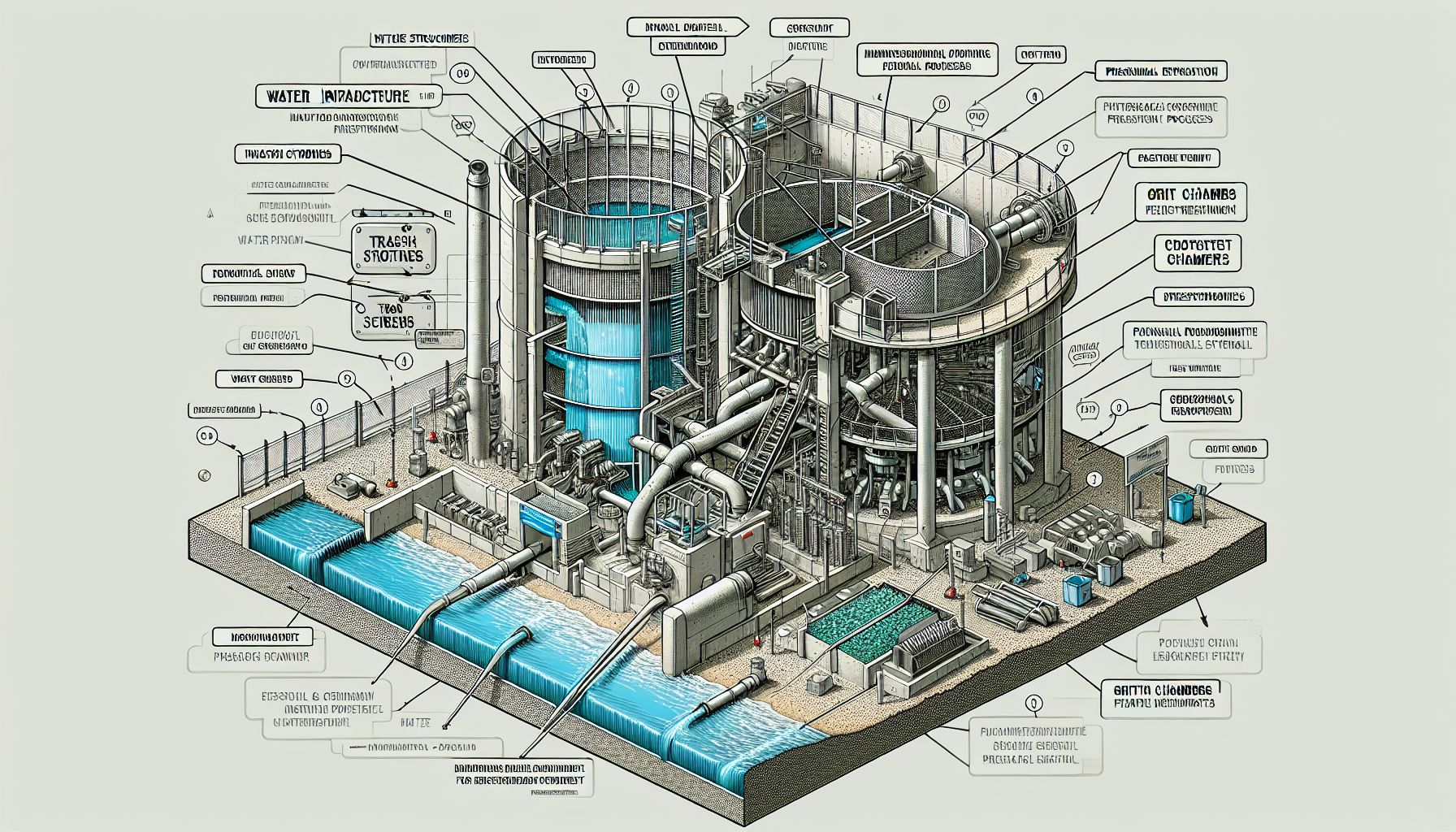
Headworks are equipped with multiple components which work together to prepare the wastewater for further treatment. Some of these components include screens, grit chambers, and flow regulating devices. They function collectively to minimize potential harm to downstream processes and to ensure the efficacy of the entire system.
For more detailed information, you may refer to this wastewater headworks link.
Headworks Layout
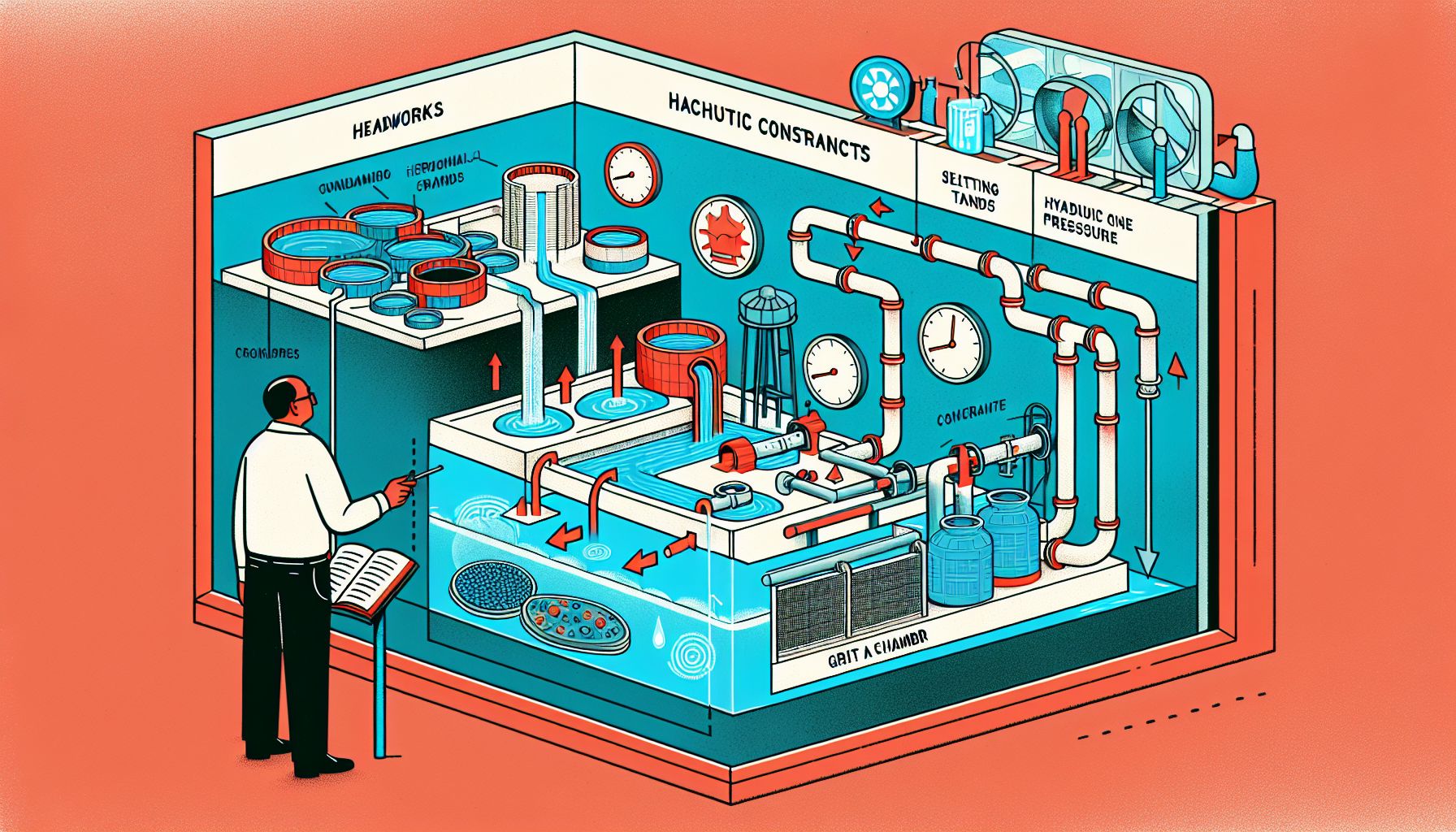
The layout of a headworks facility is designed for efficiency and optimized function. The aim is to systematically process incoming water and prepare it for the next stages of treatment.
On entry, trash racks or bar screens serve as the first line of defense. These screens remove large particulates and debris from the inflowing wastewater.
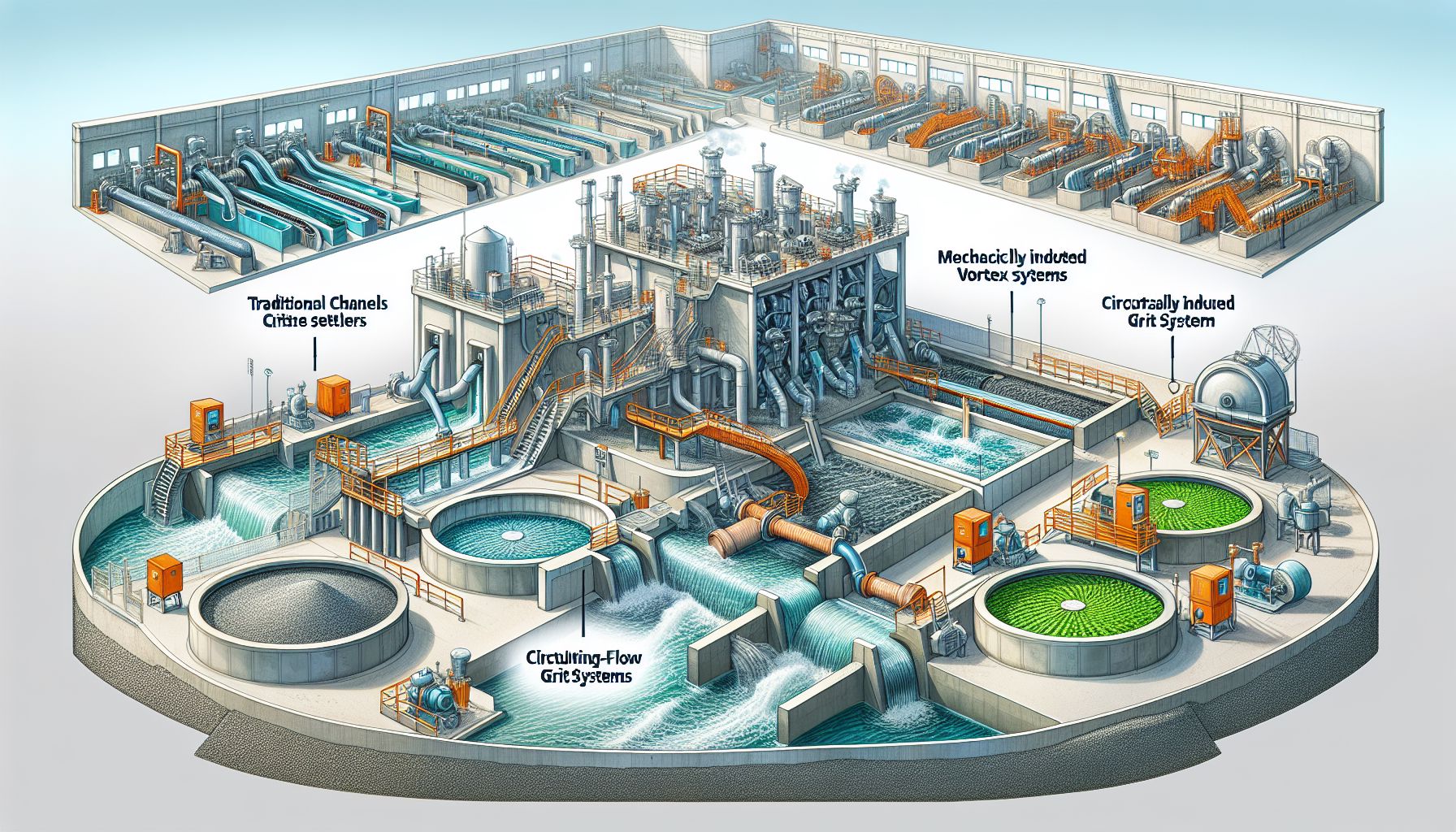
Behind the screens, we find grit chambers which are used to separate and remove heavier, sandy particles from the water. This process prevents potential clog issues in downstream equipment.
Following the grit process, flow regulating devices are placed to manage and control the water flow, ensuring a consistent flow rate for the remaining treatment process.
Function of Headworks
As the entry point of the wastewater treatment plant, the primary function of a headworks is to ensure the smooth operation of the downstream treatment processes. This is achieved by preventing potentially harmful substances from entering the system and preparing the wastewater for subsequent treatment stages.
The screens filter out large debris, which could cause mechanical damage to downstream equipment. Meanwhile, the grit chambers remove granular matter that could cause clogs, abrasions and increased sediment buildup in downstream equipment and piping. Flow regulating devices ensure a steady flow rate, allowing for smoother operations across subsequent stages in the treatment process.
Real-world Considerations
When building or upgrading a wastewater treatment facility, it’s important to consider a few factors. The size, type, and volume of wastewater to be processed must be taken into account when designing the headworks. These factors will directly influence the design and selection of screens and grit chambers.
Maintenance needs are also a key consideration and should be factored into the layout design. Adopting a layout that allows easy access to all equipment will decrease downtime and improve overall efficiency.
Conclusion
The wastewater headworks play an instrumental role in the success of any wastewater treatment facility. Its layout and function directly impact the efficiency and efficacy of the entire wastewater treatment process. As such, a well-designed and well-maintained headworks is crucial to sustaining lasting operational success and protecting the infrastructure of the wastewater treatment process ^3^.